
RESOURCES:DOWNLOADS
Free Download Library
Scroll Down for More
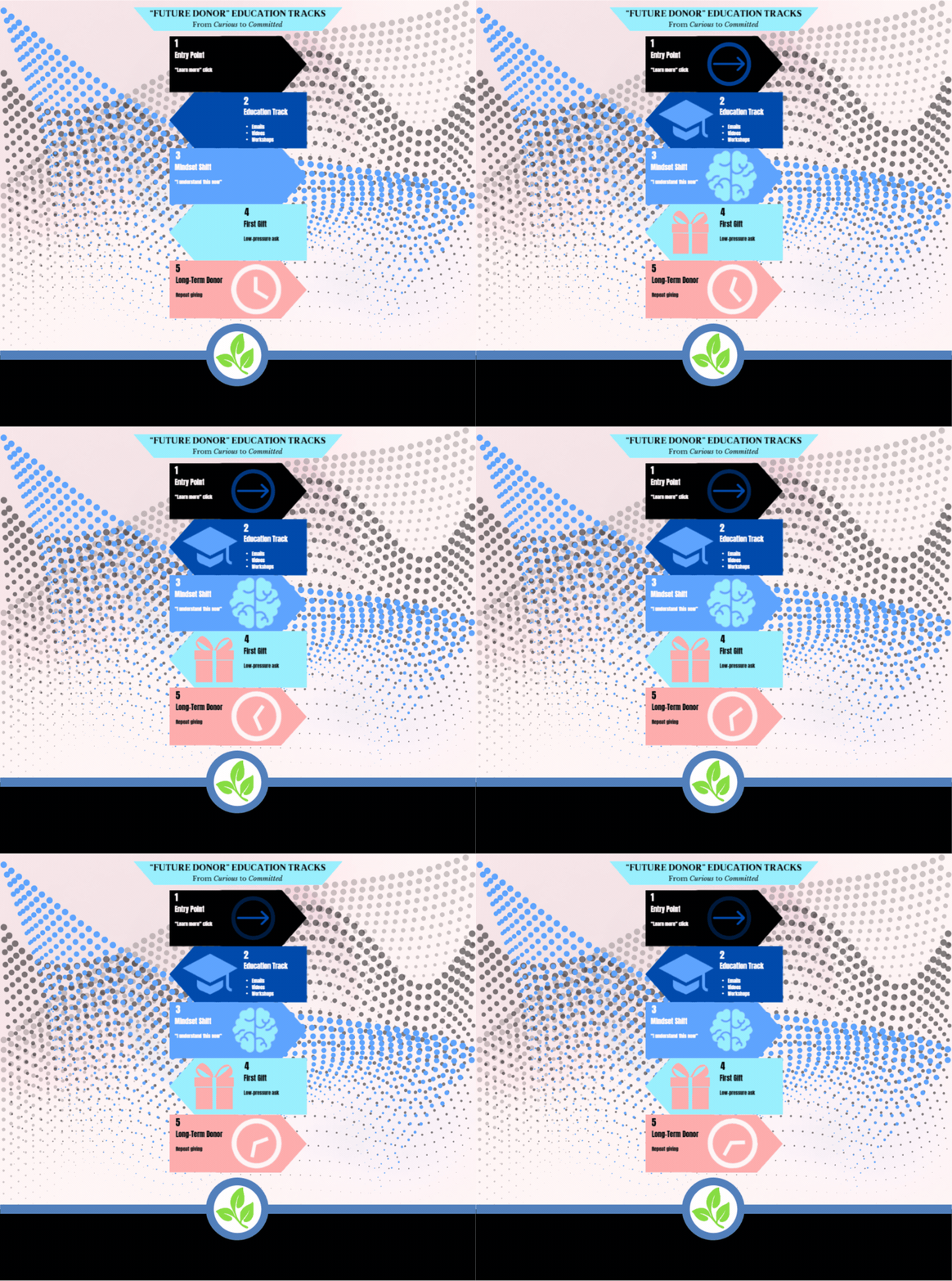
“Future Donor” Education Tracks
What it is: “Future Donor” Education Tracks are simple, structured learning journeys designed for people who aren’t ready to donate today. They’re curious. They’re paying attention. But they’re not convinced yet. Instead of pushing for a gift too early, you guide them through a series of small, helpful experiences that build:
Understanding
Trust
Emotional connection
Over time, some of these people become donors. Not by pressure, but by choice. Because they get it now.
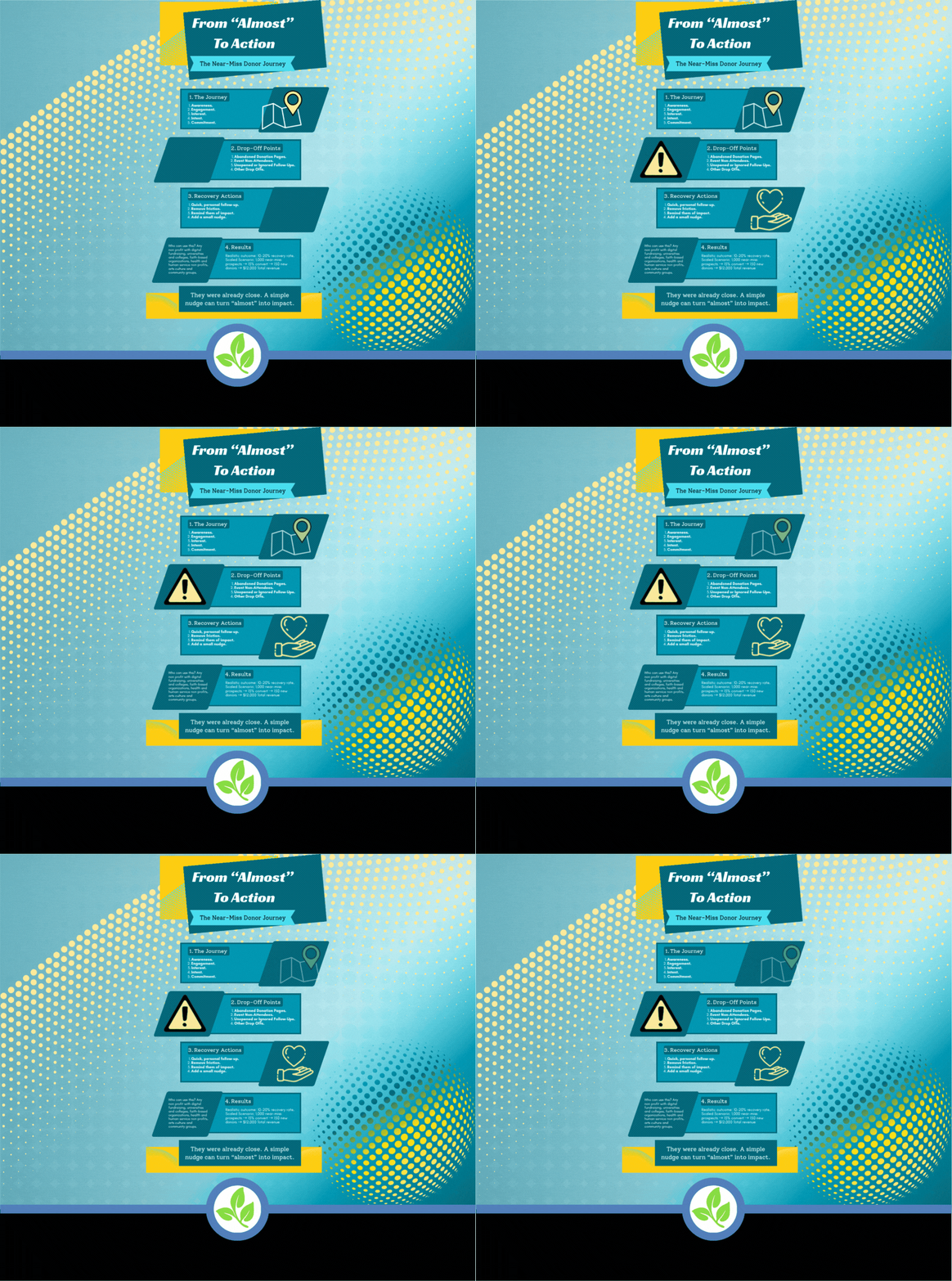
Near-Miss Donor Recovery
Every nonprofit has it. People visit your donation page.
1.They click “give.”
2.They pause.
3.Then they leave.
Or they register for an event and don’t show up. Or they open one email, then ignore the next three. It’s easy to focus on new leads. It feels more exciting. But here’s the truth. A large share of your best future donors are already in your system. They just didn’t cross the finish line. So the real question is simple. What if you stopped letting them slip away?
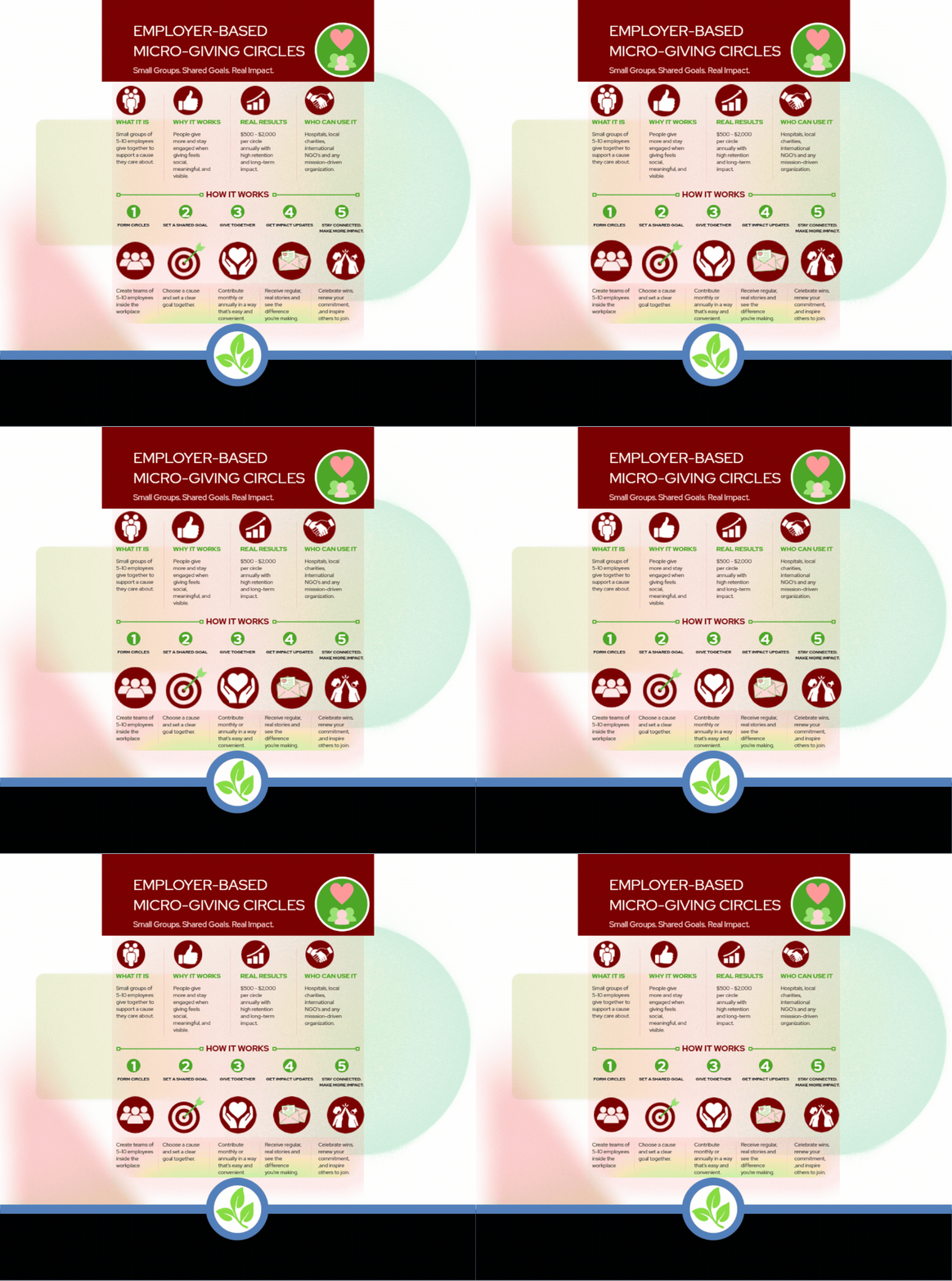
Employer-Based Micro-Giving Circles
Major donors. Grants. Corporate gifts. All important. But there is a quieter opportunity sitting inside almost every workplace. It is the everyday employee. They care. They want to help. They just need a simple way to do it that fits into their day. Employer-Based Micro-Giving Circles are built for that moment. They are not flashy. They are not complex. But they are steady, social, and surprisingly powerful when done well.
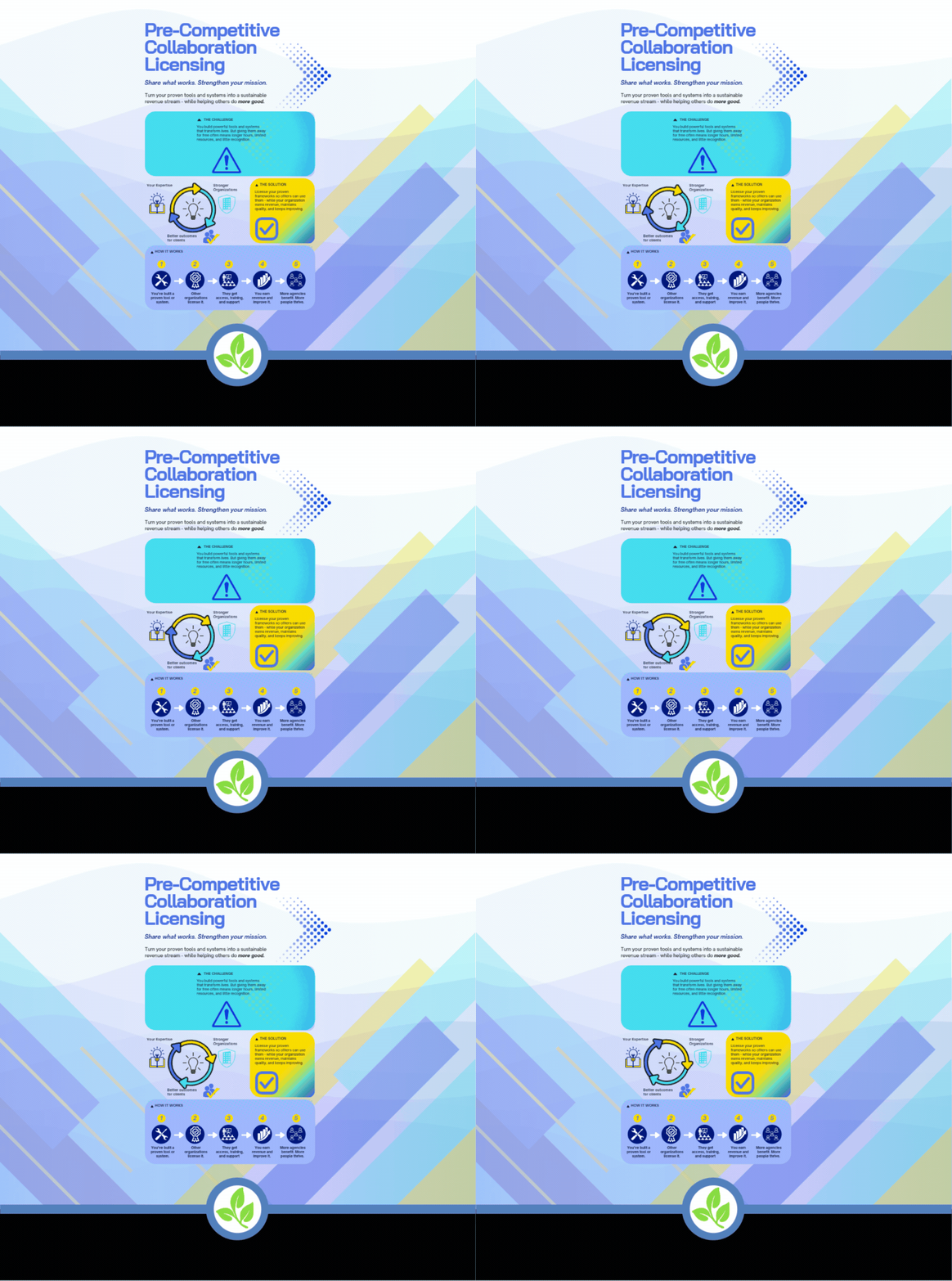
Pre-Competitive Collaboration Licensing
Most Nonprofits are some of the most creative problem-solvers out there. You build tools, systems, and frameworks that actually work in the real world. You test them. You refine them. You invest real time and care into getting them right. Then what usually happens? You share them. Freely. Quietly. Often without credit, and almost always without funding to sustain them. It feels right. It aligns with your mission. But it also leaves something on the table. What if sharing your best work didn’t mean giving it away What if it could strengthen your organization while helping others do better work? That’s where pre-competitive collaboration licensing comes in.
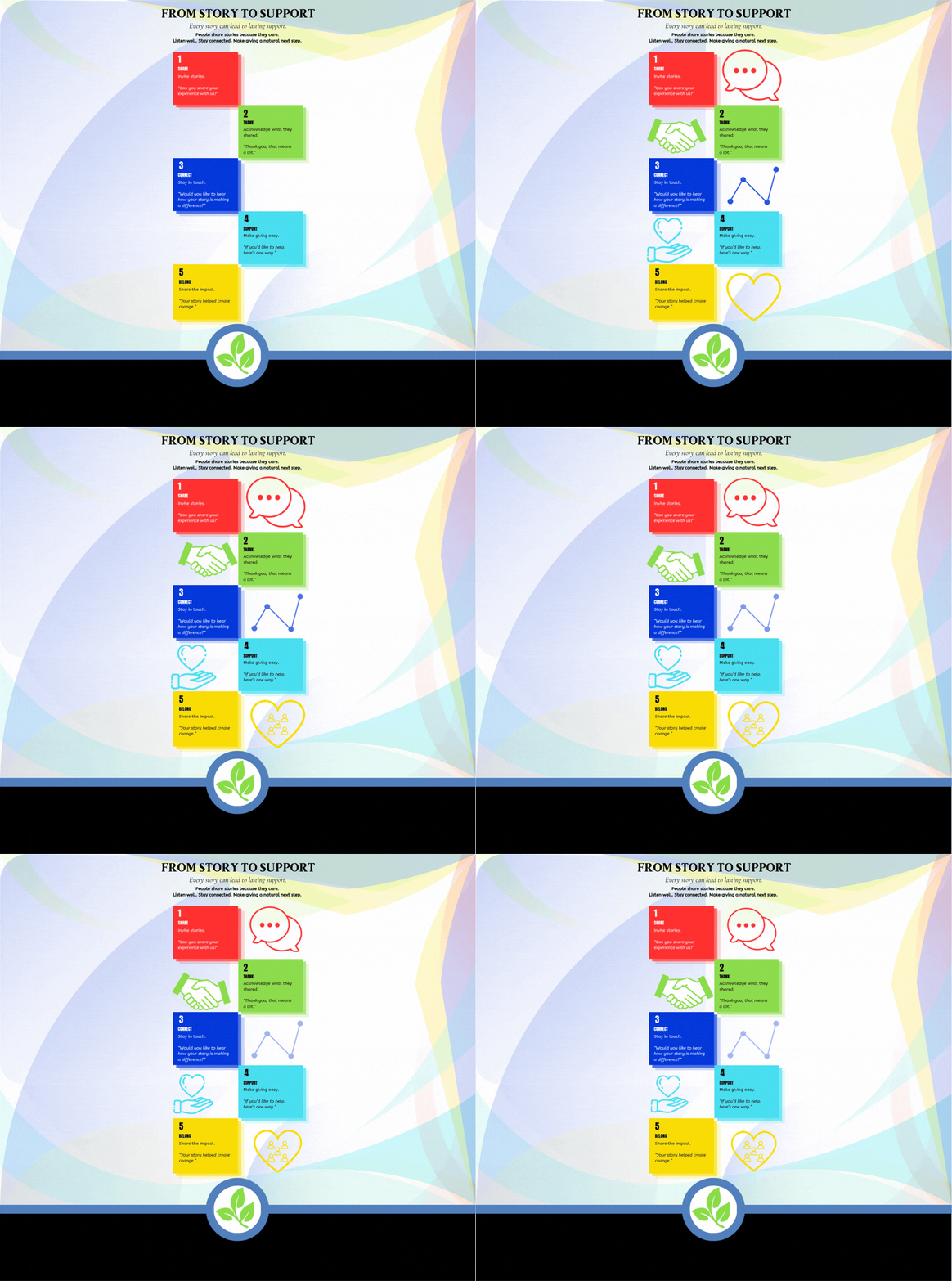
Story Contributors As Donors
What it is: Every nonprofit collects stories. You hear them in emails, at events, in DMs, and sometimes in long, heartfelt messages that land in your inbox late at night. Most of the time, those stories are used for marketing. A quote here. A testimonial there. But what if you treated those story contributors differently? This method turns people who share their experiences into supporters. Not through pressure. Not through heavy asks. But through connection. The idea is simple. When someone tells their story, they are already invested. Your job is to recognize that moment and guide it forward. Because let’s be honest. If someone takes the time to say, “This matters to me,” they’re already halfway there.
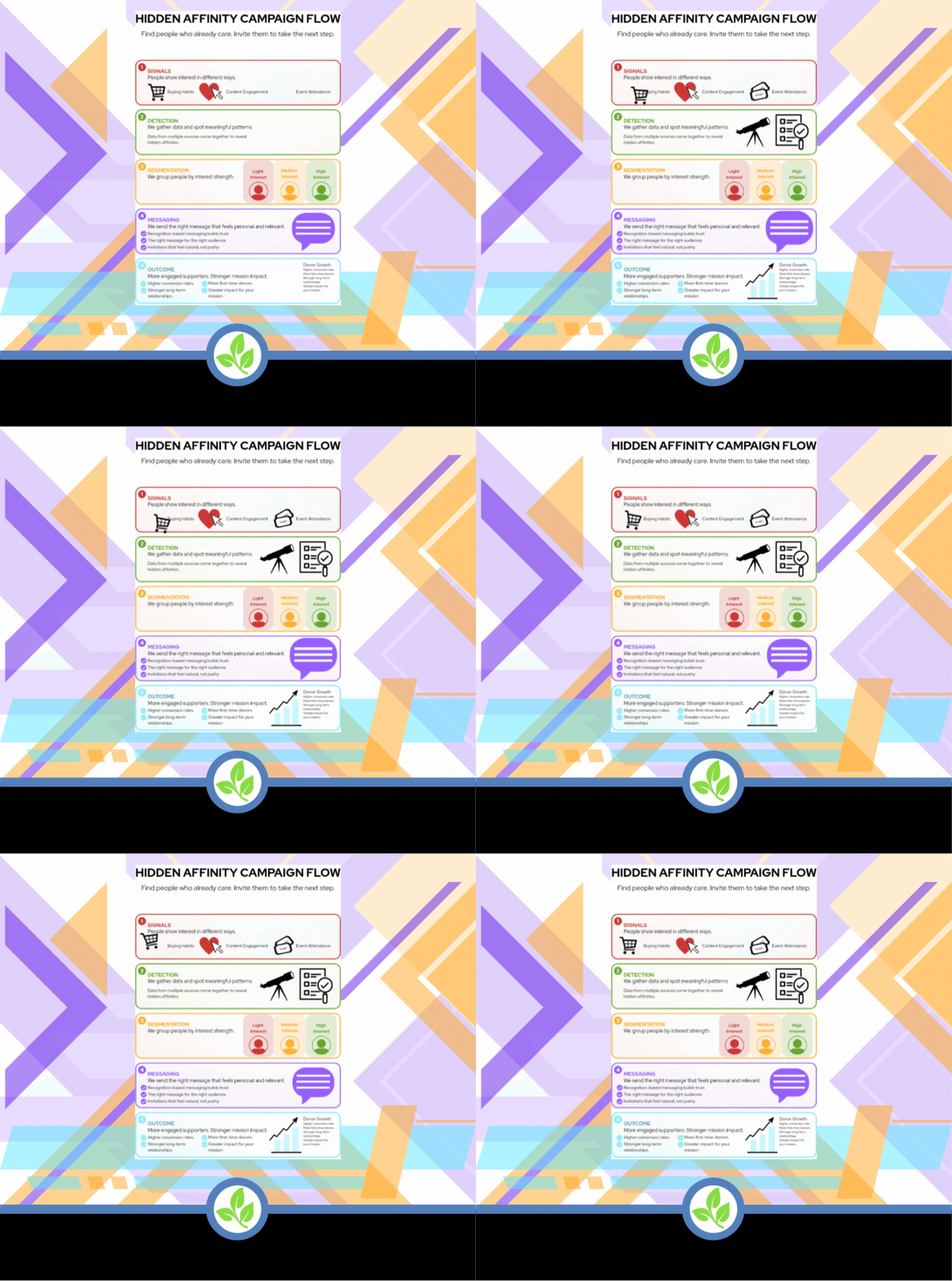
Hidden Affinity Campaigns
Most nonprofits spend time chasing “new audiences.” But here’s the odd truth. A lot of your future supporters are already around you. They are watching your content. They are showing up to your events. They are buying things that match your mission. They just have not labeled themselves as supporters yet. So the question becomes simple. How do you spot them and speak to them in a way that feels natural, not forced? That is where Hidden Affinity Campaigns come in.
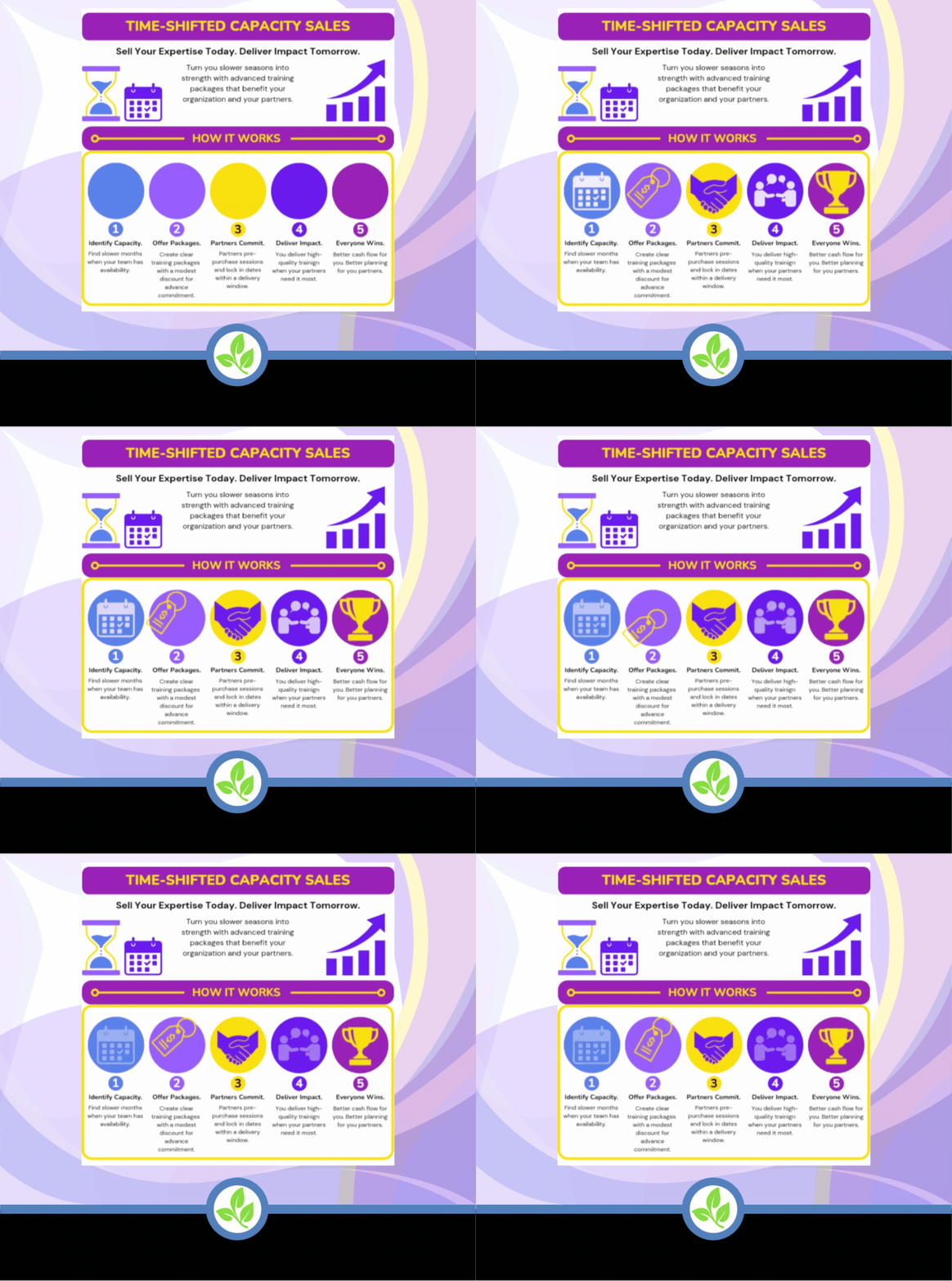
Time-Shifted Capacity Sales
If you run a nonprofit, your calendar probably feels a bit like a rollercoaster. Some months are packed. Your team is stretched. Everyone is juggling too much. You’re trying to meet demand without burning people out. Then things slow down. Rooms sit empty. Great staff have time but not enough work tied to it. You still pay salaries. You still carry overhead. But the energy drops. Sound familiar? This uneven rhythm is normal. Almost every organization has it. Yet most treat it like a problem to fix, instead of something to use. What if that quiet time wasn’t a gap to fill… but something you could sell?
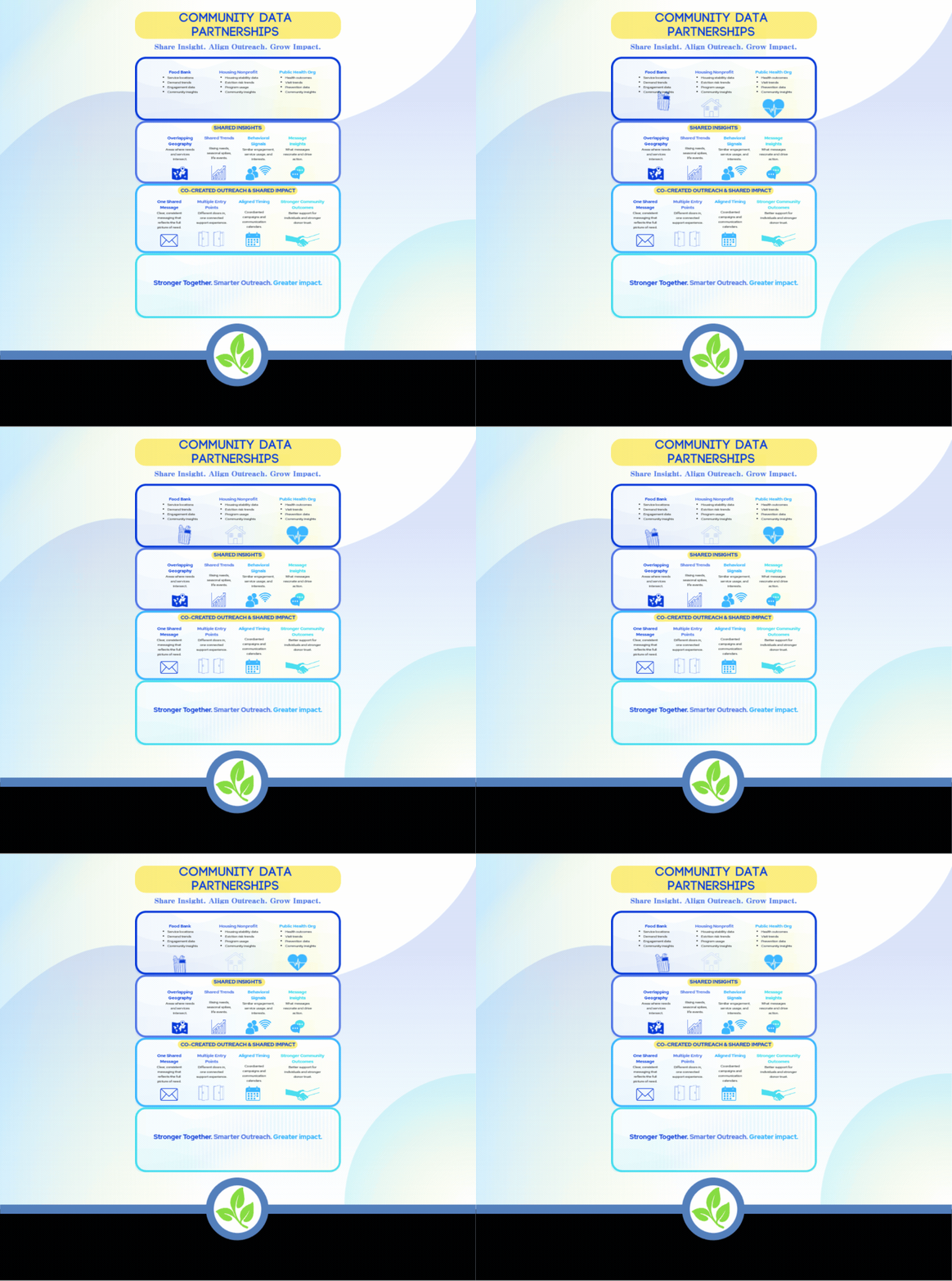
Community Data Partnerships
Most nonprofits already sit on something powerful. Data about people who care. Data about patterns of need. Data about how communities move through services. But here is the problem. That data usually stays locked inside one organization. Community Data Partnerships change that. This method connects organizations so they share insight, not personal data. No email swapping. No list trading. No direct donor handoffs. Instead, partners share patterns, trends, and learning. Then they use those insights together to reach new supporters in a smarter way. It sounds simple. But it changes how fundraising works in a real way. You stop guessing who might care. You start seeing it.
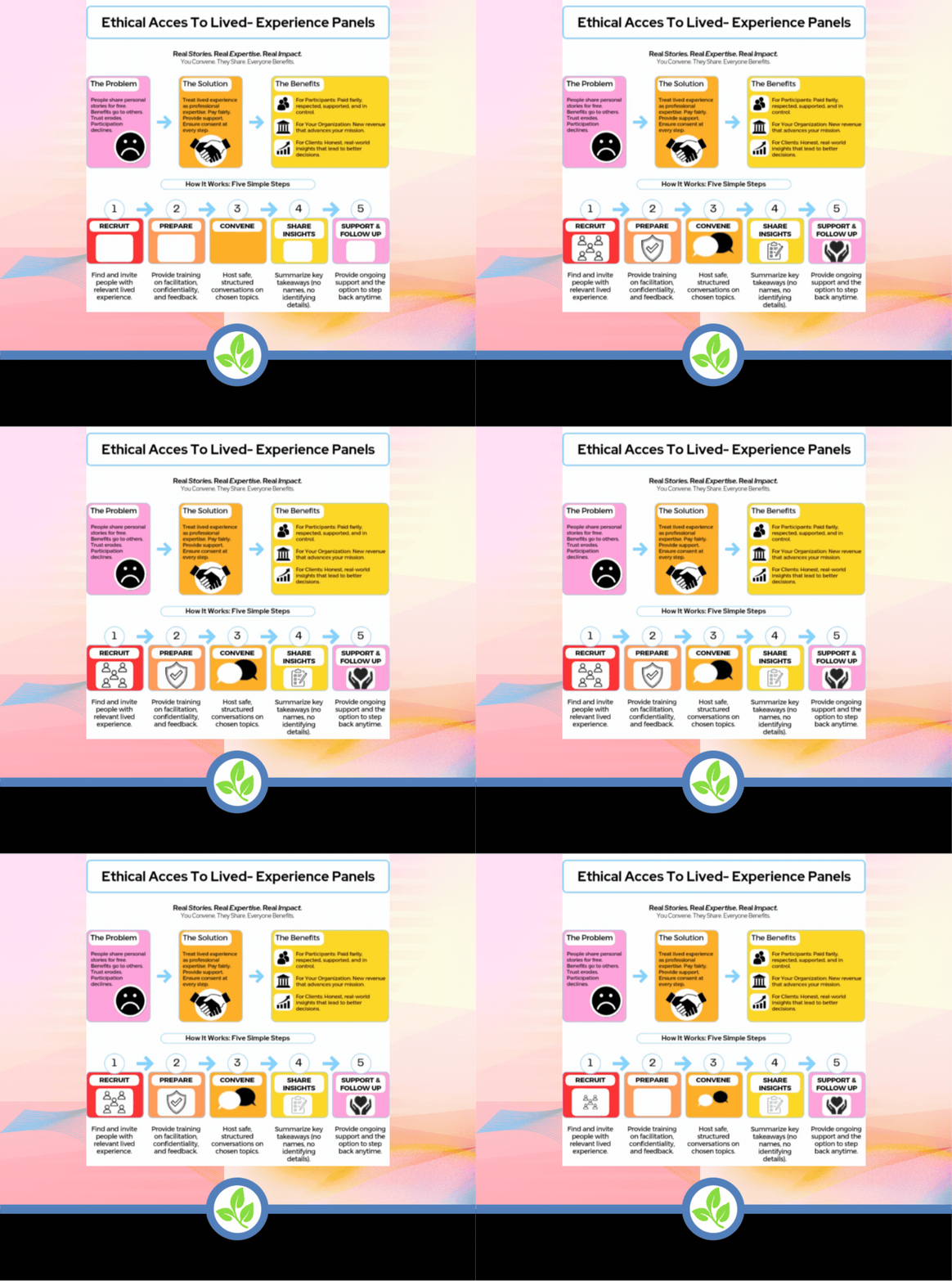
Ethical Access To Lived-Experience Panels
Lived experience is powerful. It brings truth that data alone cannot capture. It shows how systems really work in people’s lives. But there is a problem we all see, even if we do not always say it out loud. Too often, people are asked to share hard, personal stories for free. They sit on panels. They join focus groups. They tell stories that took years to live through. And what do they get in return? Maybe a gift card. Maybe a thank-you email. Sometimes not even that. Meanwhile, reports get written. Policies get shaped. Grants get funded. That gap matters. People can feel used. Trust starts to slip. And over time, the same voices get quieter or disappear. Then everyone loses. So what is the alternative?
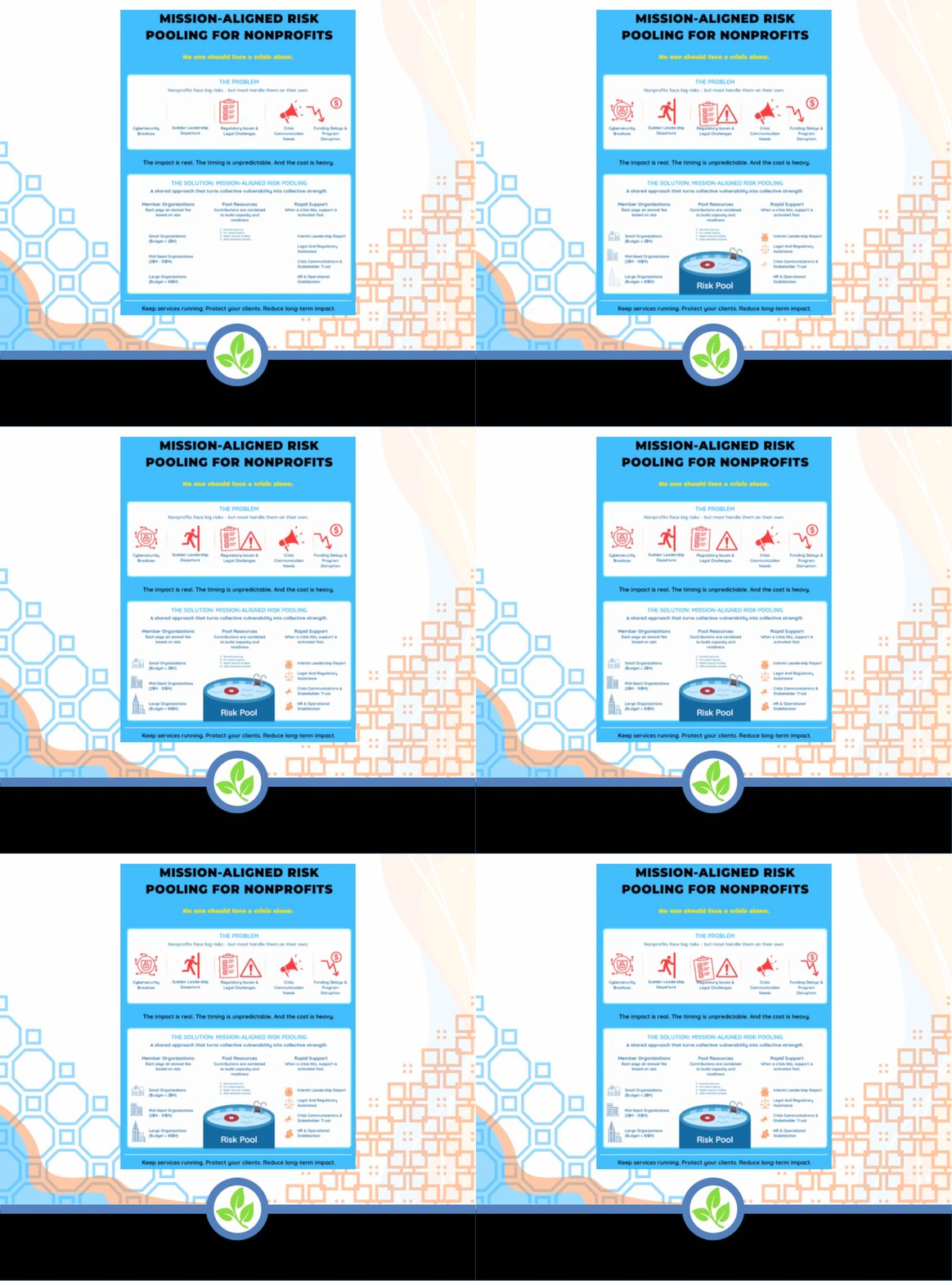
Mission-Aligned Risk Pooling
Right now, most nonprofits carry big risks on their own. You already know this. It shows up in quiet ways at first, then all at once. Cybersecurity is a good example. Strong protection is expensive. Fast response is even more expensive. When something goes wrong, the cost does not wait. It lands right on your operating budget. Leadership turnover feels similar. A key person leaves. Relationships go with them. Context disappears. Momentum slows down. You are left rebuilding while still trying to deliver programs.
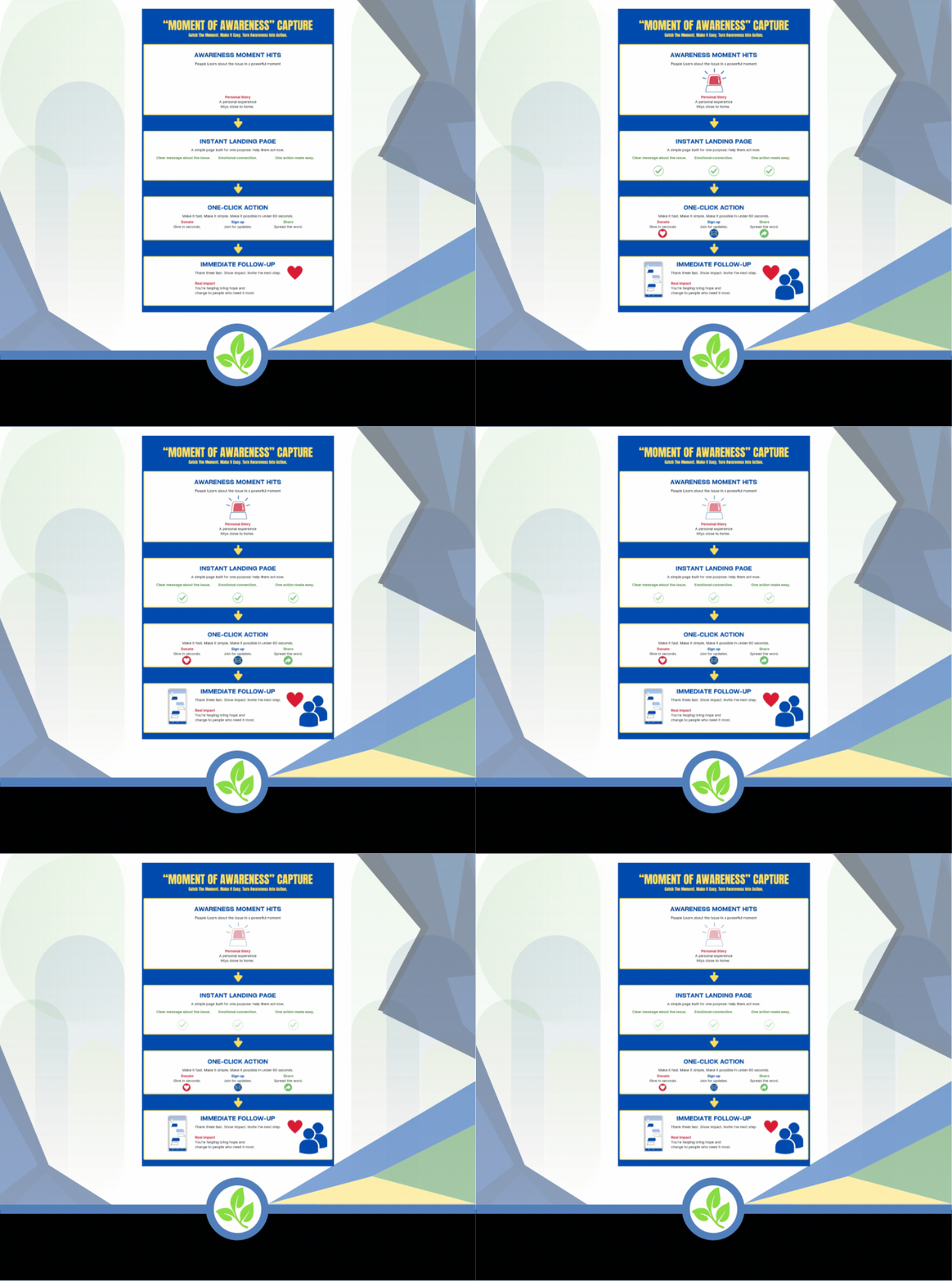
“Moment of Awareness” Capture
What is “Moment of Awareness” Capture? This method is simple. It means you reach people at the exact moment they first learn about an issue, and you make it very easy for them to act right away. Not later. Not after they “think about it.” Right then. Because here is the truth most nonprofits already feel in their gut: When people feel something strongly, it does not last long. It fades. Fast. So the goal is not just awareness. The goal is action during awareness.
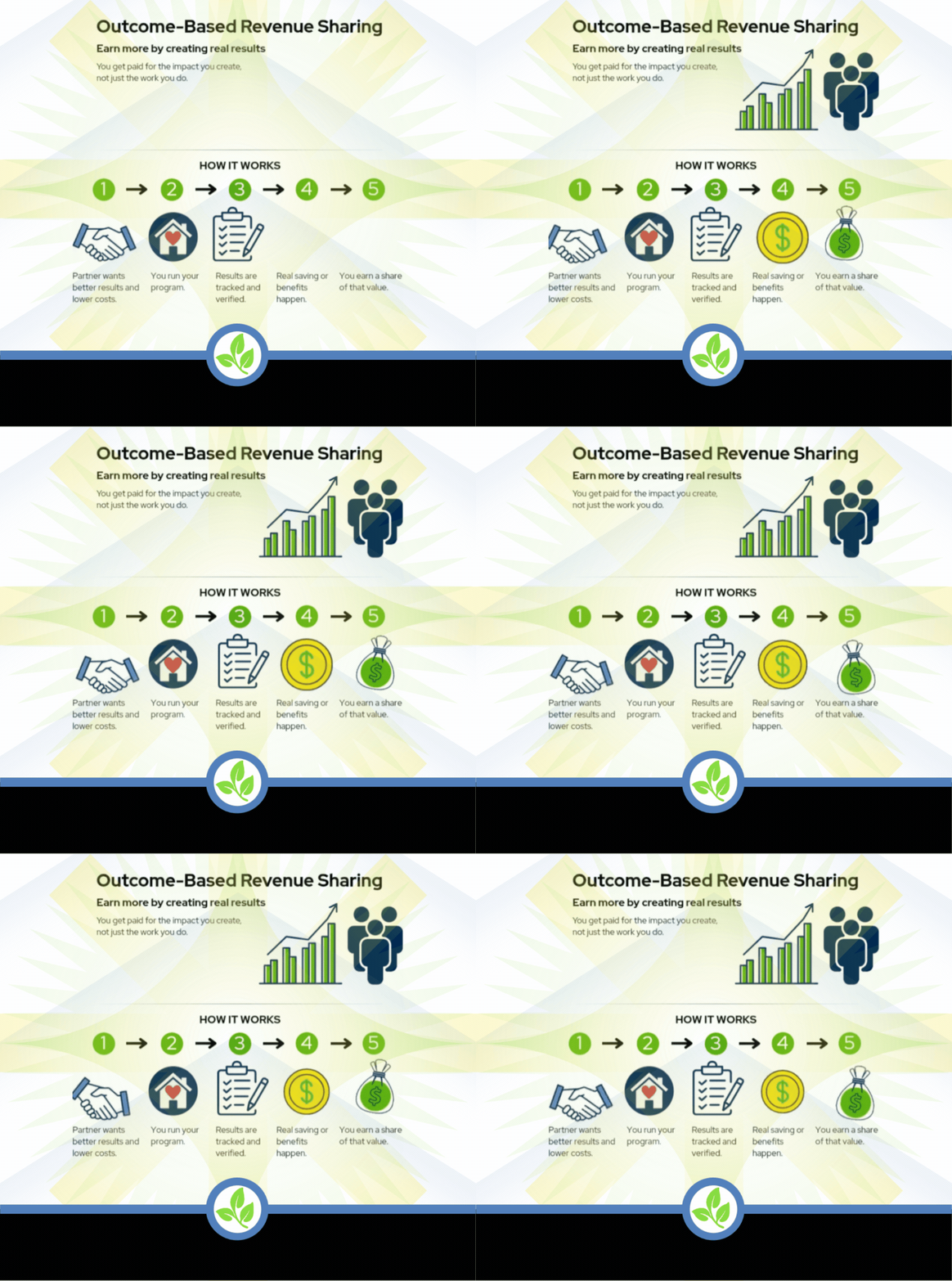
Outcome-Based Revenue Sharing
Most nonprofits already have a funding mix that works. Donations, grants, and contracts keep the lights on. They support the core work. That part isn’t broken. Outcome-based revenue doesn’t try to replace any of that. It adds something new. It’s a reward for results. You keep doing the work you believe in. You track outcomes. You prove impact. Then, if real and verified results happen, you earn a share of the value created. Simple idea. Hard to ignore.
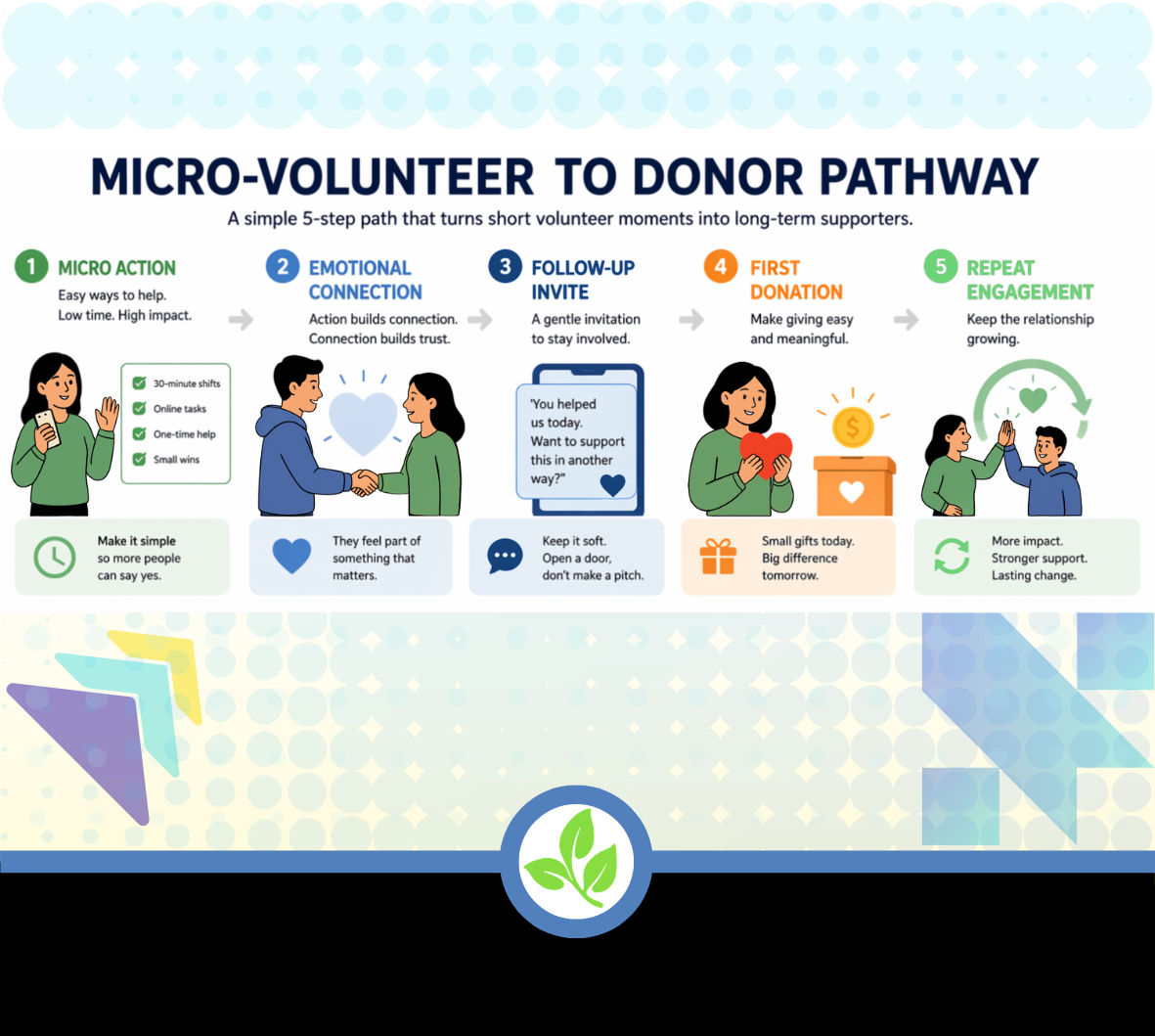
Micro-Volunteer To Donor Pathway
Why this matters right now Most nonprofits already have a problem they don’t talk about enough. People like the mission. They care. They might even click “follow” or sign up for a newsletter. But giving money feels like a big step. Too big, too soon. So they do nothing. But here’s the interesting part. Many of those same people would happily give 20 minutes of their time. That gap is where this method lives. The Micro-Volunteer to Donor Pathway turns small actions into relationship building. Not with pressure. Not with big asks. Just steady, human connection built through doing something together first.
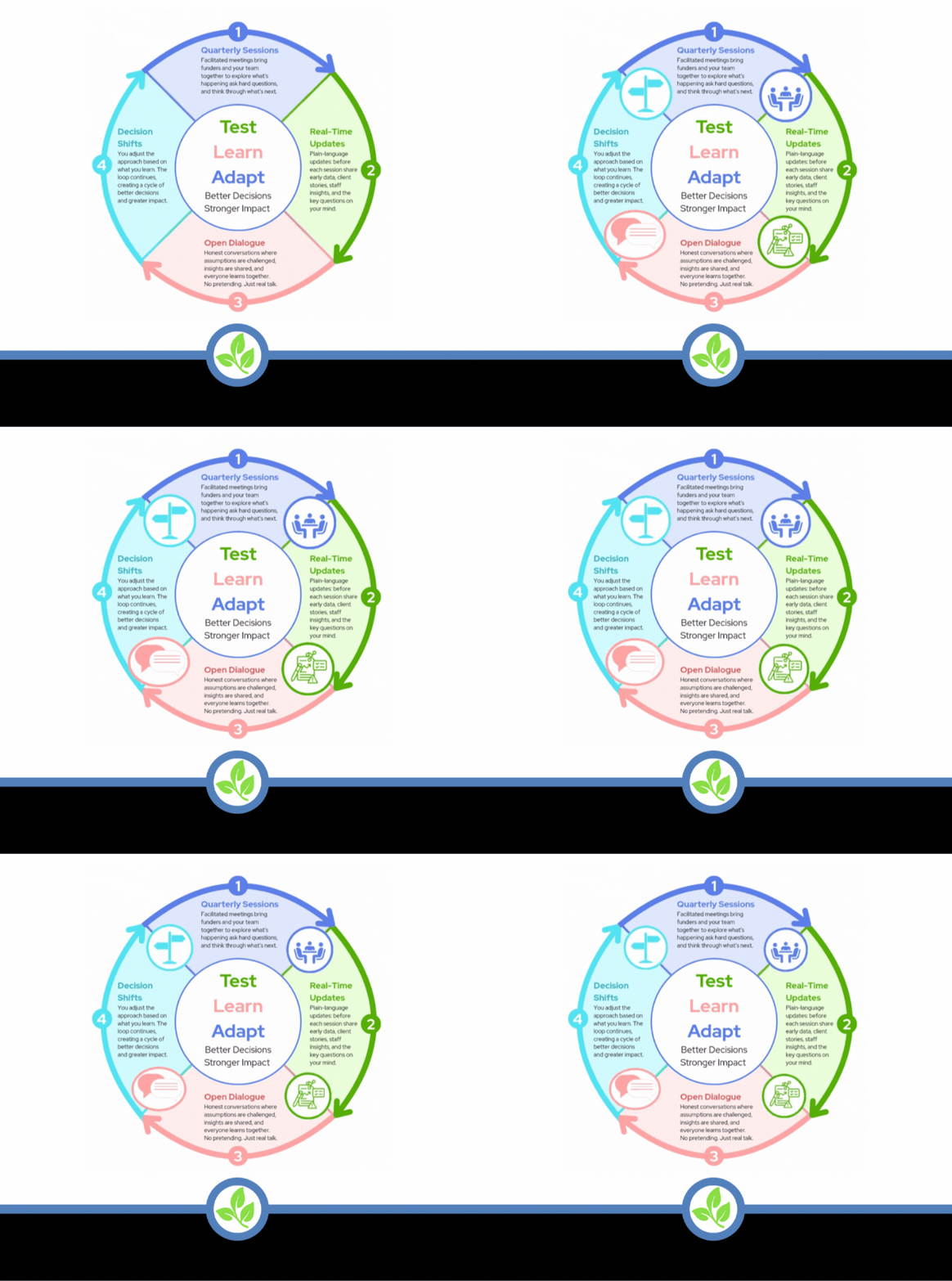
Funded Learning Loops With Funders
Funders say they want learning. Then we send them reports that read like everything went according to plan. Sound familiar? Here’s the truth. Most reporting is polished. It’s careful, it’s often a bit… tidy. Real change is not tidy. It’s messy, uneven, and full of surprises. Funded Learning loops fix that.
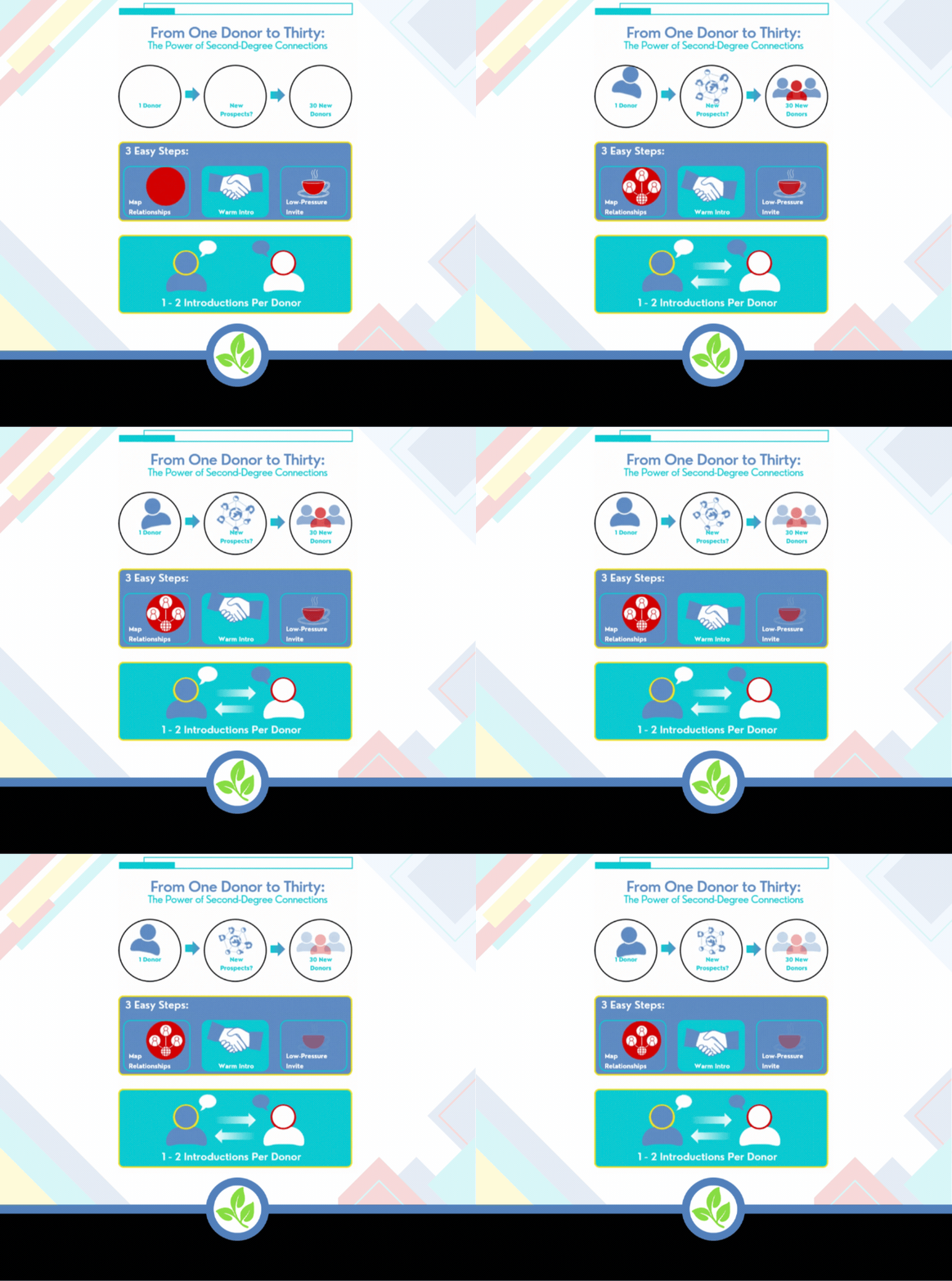
Second-Degree Donor Mapping
Second-Degree Donor Mapping is about reaching people who already trust your mission… they just haven’t met you yet. They sit one step away. They know your donors. They care about similar things. You’re not starting cold. You’re starting warm. Think about it like this. Your current donors are not just supporters. They are bridges. So the real question becomes: Who is on the other side of those bridges?
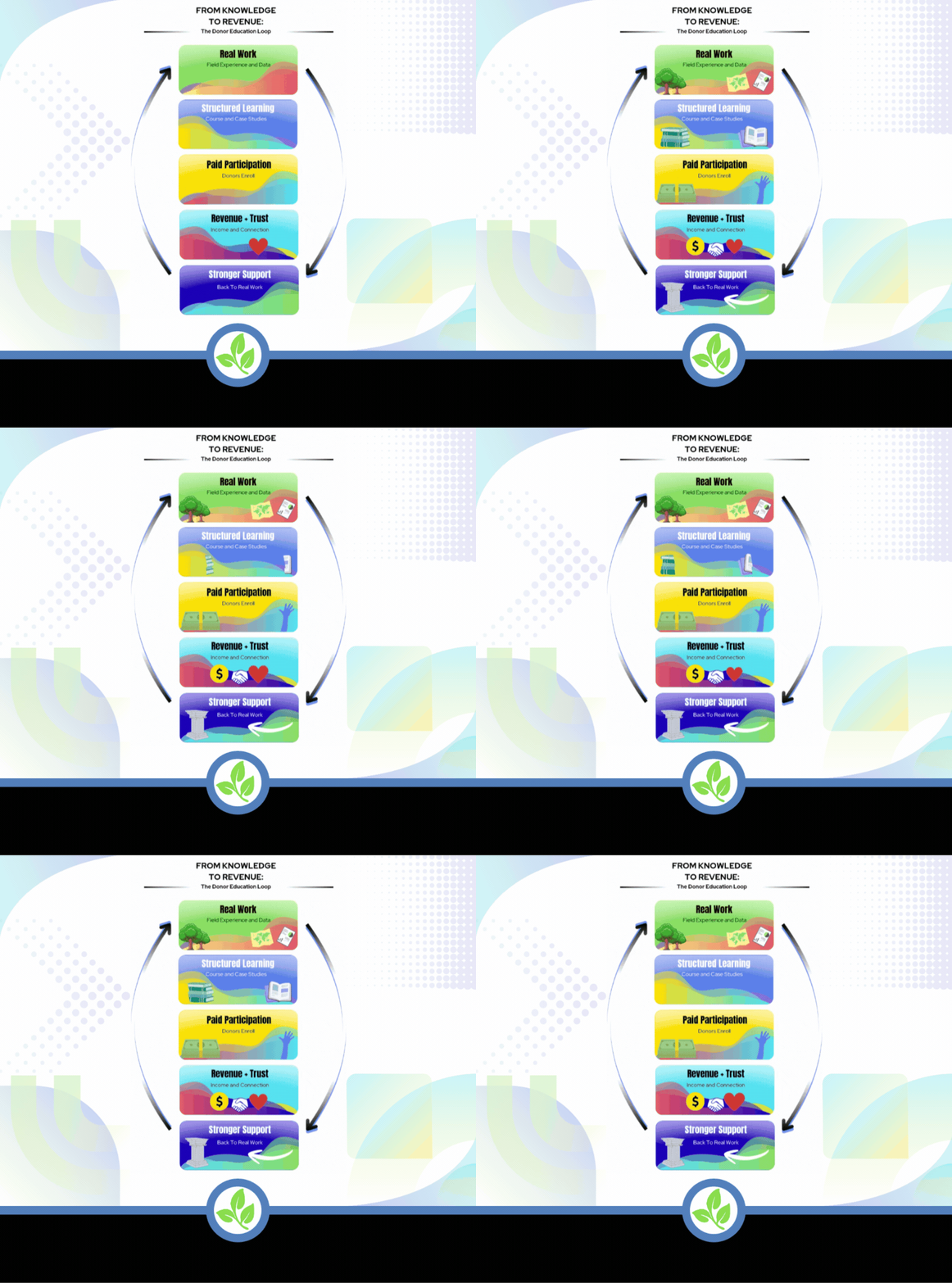
Donor Education Products
Donors want to help. That part is clear. But many also want to understand what they’re funding. Here’s the gap. Nonprofits explain complex issues every day. Staff break down policy. They interpret data. They sit in hard conversations with communities. They learn what works and what doesn’t. And then… they give all that insight away for free.
What if you didn’t?
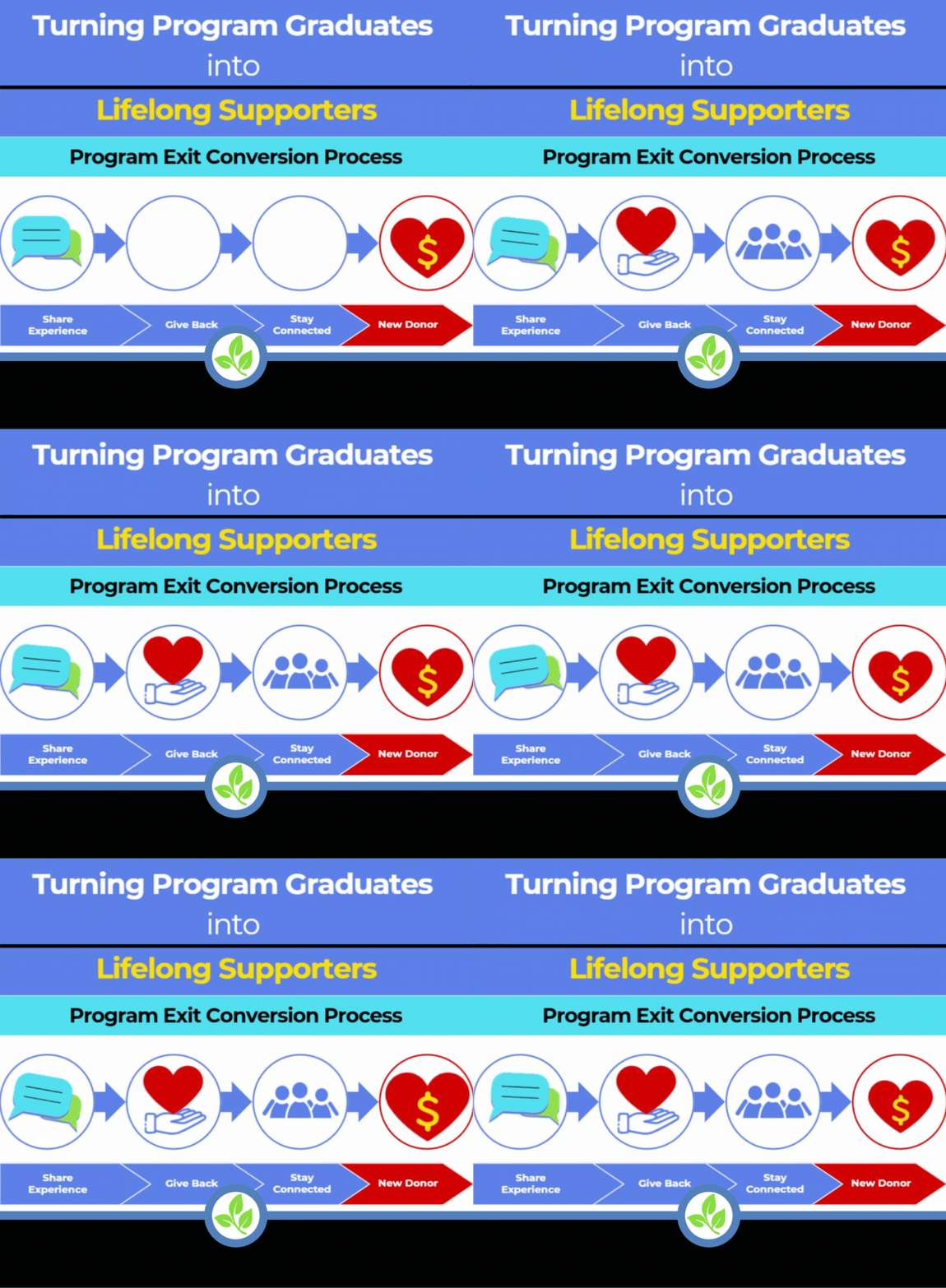
Program Exit Conversion
Program Exit Conversion is simple. It turns people who are leaving your programs into long-term supporters. Every nonprofit has people who finish something. They graduate. They complete a program. They move on. And in that moment, many feel something real. Gratitude. Relief. Pride. But here’s the gap. Most organizations say goodbye and move on too. No invitation. No next step. No way to stay connected. That’s a missed opportunity hiding in plain sight.
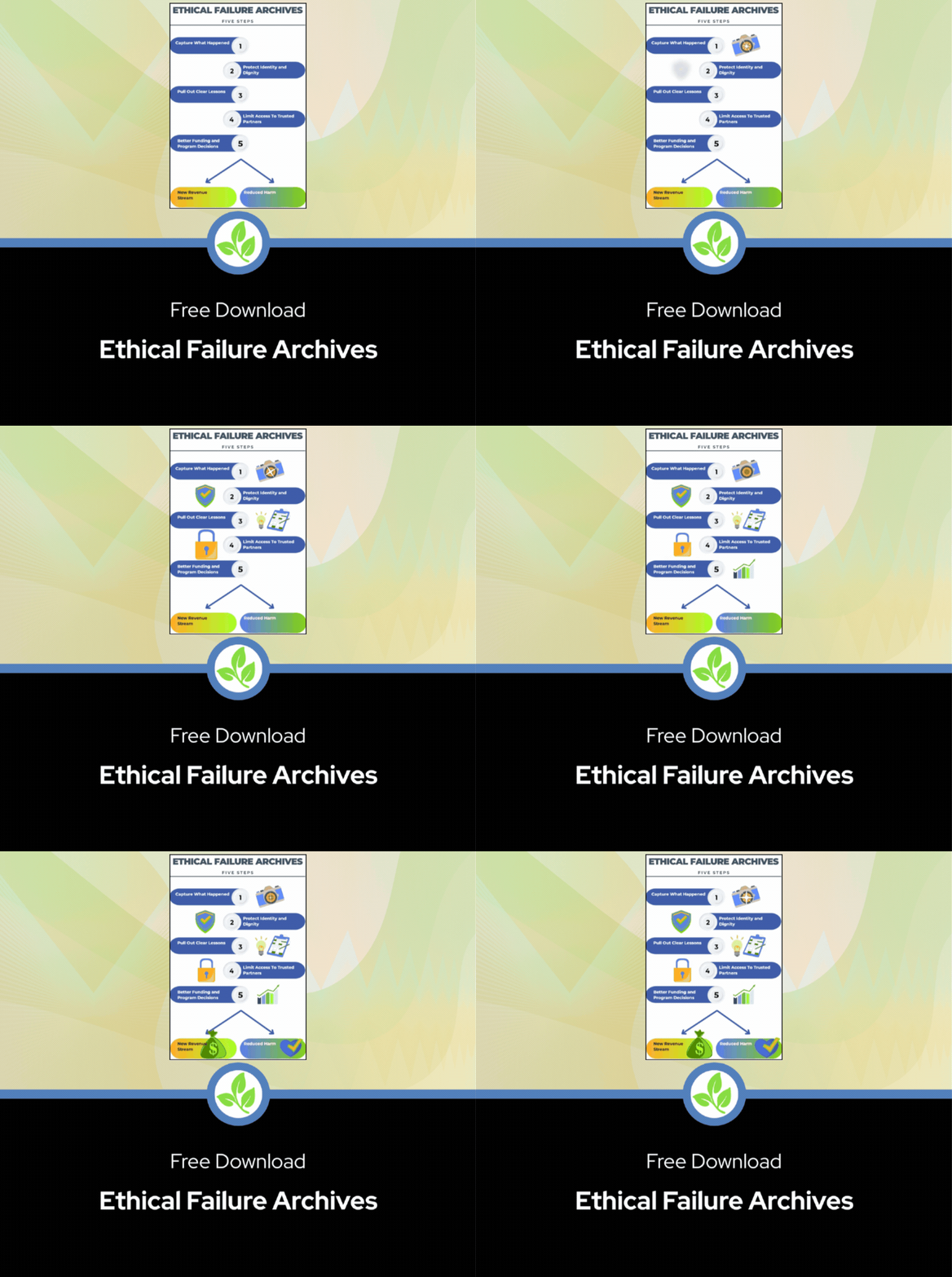
Ethical Failure Archives
What if your nonprofit’s biggest hidden asset isn’t your success… but your failure? The pilots that didn’t work. The ideas that fell flat. The harm you quietly fixed and learned from. What if that could fund your future? Let’s talk about something most organizations avoid.
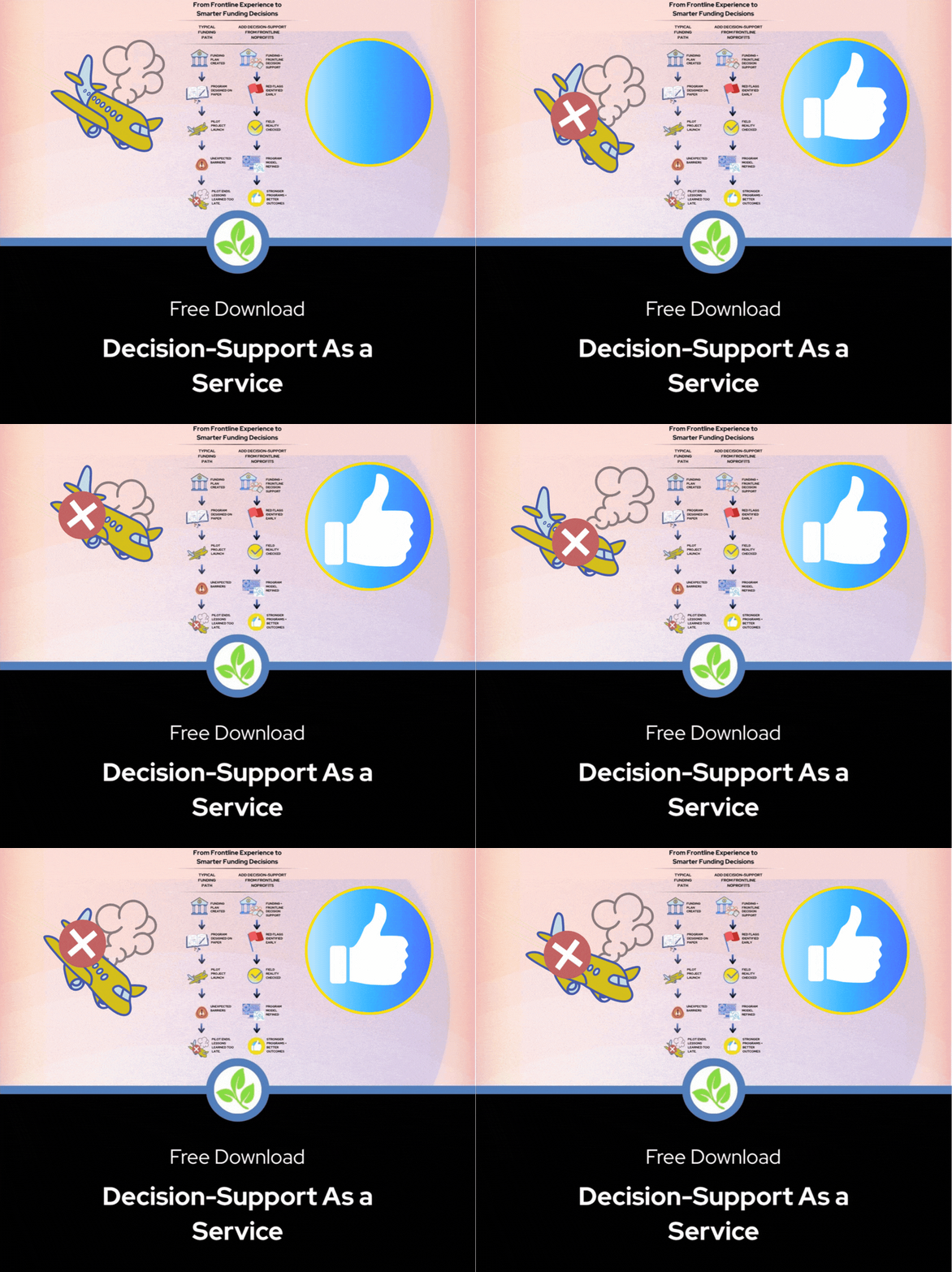
Decision-Support As a Service
What if one of your nonprofit’s most valuable assets isn’t your programs, your grants, or even your donor list? What if it’s the judgment your team has built from years of real decisions in the real world? Every day nonprofits make difficult choices. They decide who gets help first. They decide which programs should grow and which ones should stop. They decide how to stretch tight budgets and still serve people well.
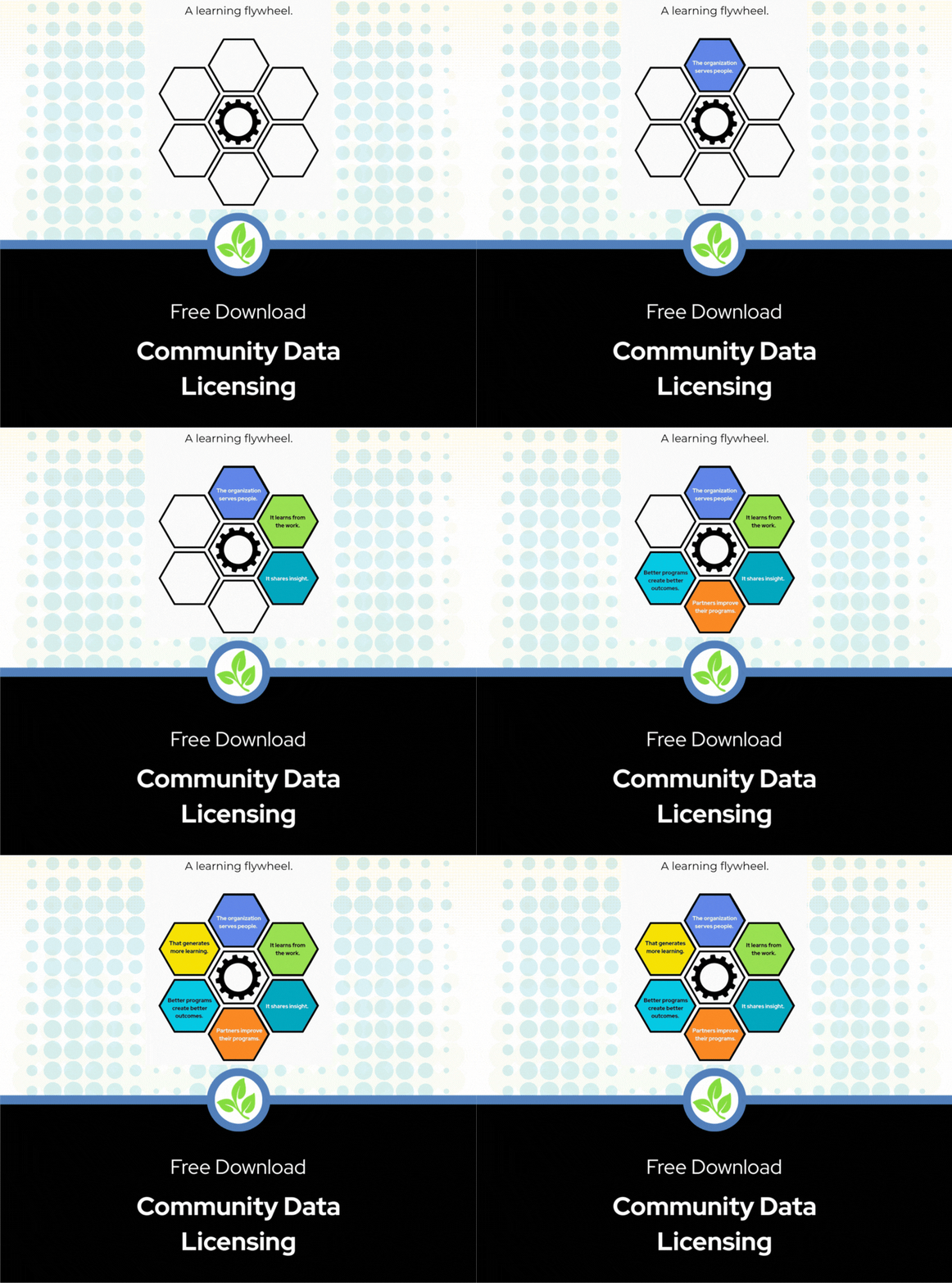
Community Data Licensing
Nonprofits gather a huge amount of information just by doing their everyday work. It happens quietly in the background. Every program sign-up. Every follow-up conversation. Every outcome report. Over time, all of that adds up.
Revenue No One Talks About
10 Unconventional Ways Nonprofits Can Fund Their Mission
Nonprofits are under real pressure to do more with less. Costs keep rising. Donor fatigue is real. And traditional fundraising alone often is not enough to sustain long-term impact. That is why many organizations are starting to explore revenue streams that sit alongside donations, not instead of them
Every Dollar Has a Story
A Practical White Paper on Nonprofit Revenue Streams
Most nonprofit leaders don’t wake up excited to talk about revenue streams. You wake up thinking about people. Programs. Impact. The mission. Then, five minutes later, reality taps you on the shoulder and asks, “How are we paying for al this?”
This white paper is here for that moment.
Less Noise. More Meaning.
Fundraising That People Actually Want To Respond To.
Let’s start with a simple truth.
Fundraising feels harder than it used to. Not because people don’t care. Not because generosity is gone. It feels harder because the space is loud. Everyone is talking at once. Everyone is urgent. Everyone says they’re different
Effective Marketing And Communic-ations For Nonprofits
You run a nonprofit. You’ve got a mission that matters. You’ve got a team that cares. You also have limited staff, tight budgets, and a long list of things that need doing. Sound familiar? This paper is written for you. It’s a plain, practical guide to the marketing and communications tactics that actually move the needle for nonprofits today.
Fractional Fundraising Executive Services
A Practical Guide for Nonprofit Leaders.
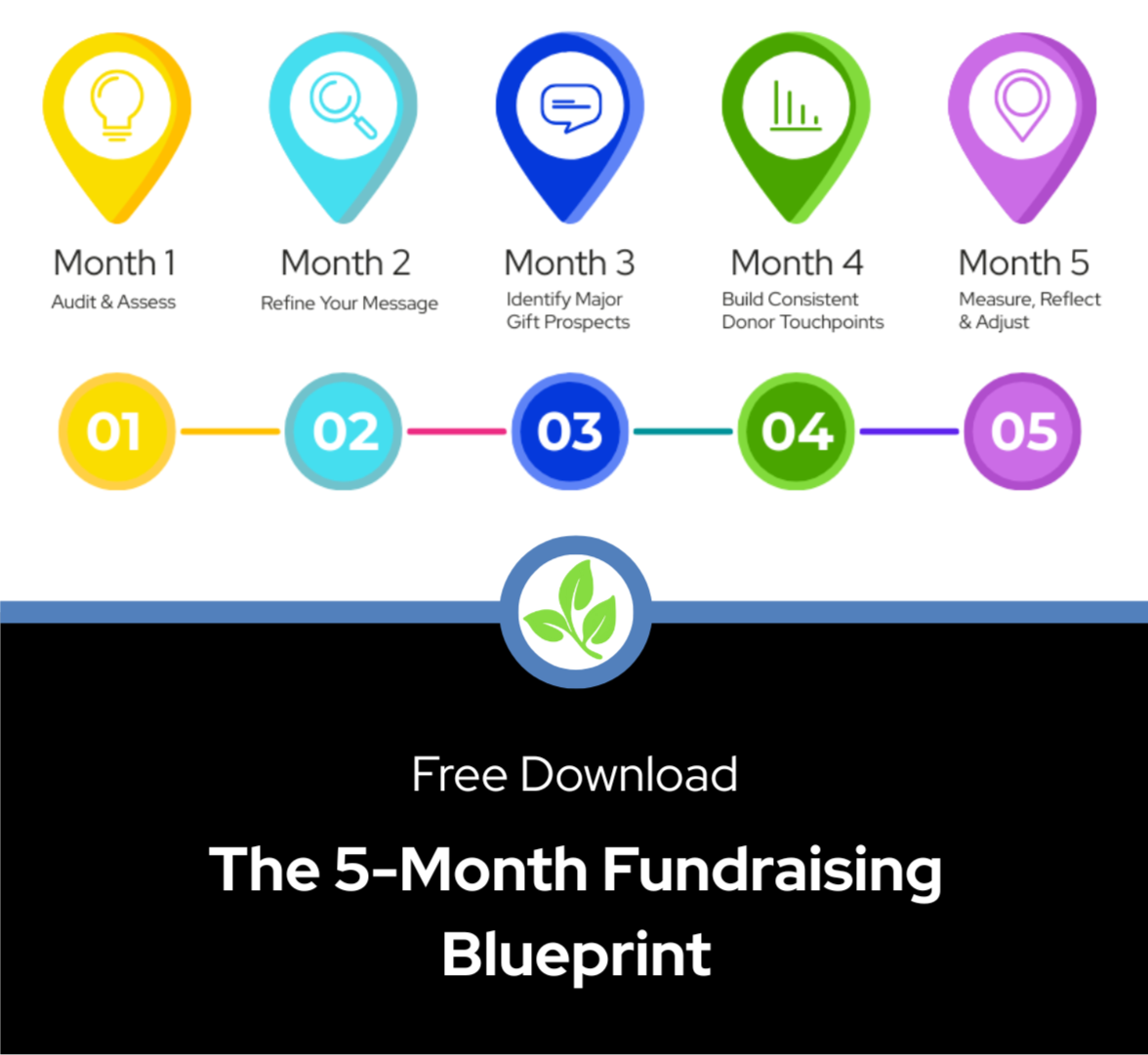
The 5-Month Fundraising Blueprint - Executive Summary
A practical roadmap for nonprofits ready to strengthen their fundraising foundations.
Across Canada, thousands of small and mid-sized charities are working tirelessly to create impact - yet many feel they’re running on fumes.